Source Portable USB Nano Mist Spray for Home Salon Spa
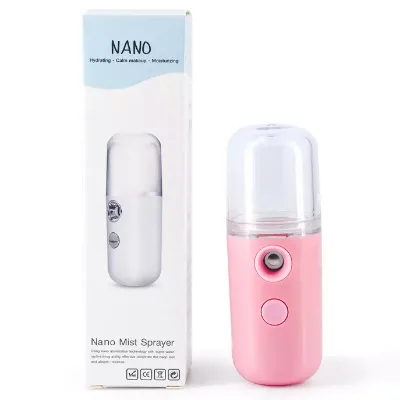
Explore 30 listings for the portable usb nano mist spray designed for home, salon, and spa applications. Buyers can compare models with PTC heating, USB power sources, and varying tank capacities to find the right facial steamer or electric sprayer for topical care needs.
Key considerations
Products List






Comprehensive Sourcing Guide
Portable USB Nano Mist Spray Sourcing Guide
Procuring portable USB nano mist sprayers requires a nuanced understanding of the intersection between personal care aesthetics and functional hydration technology. These devices are primarily designed for facial steaming and topical care, offering a convenient way to deliver fine mist directly to the skin for beauty and spa applications. Buyers must distinguish between units intended for home use and those built for professional salon environments, as the latter often demand higher durability and specific power inputs. The core appeal lies in the portability and the ability to recharge via standard USB interfaces, making them ideal for travel or on-the-go skincare routines.
The market for these sprayers is diverse, ranging from simple plastic bottles with integrated misting mechanisms to more complex electric units with heating elements. Sourcing decisions should be guided by the intended end-user experience, whether that involves cold mist for immediate hydration or warm mist for pore opening and deep cleansing. It is critical to evaluate the material composition, such as ABS plastic or stainless steel blends, which affect both the device's longevity and its perceived premium quality. Understanding these distinctions ensures that procurement aligns with the specific branding and functional requirements of the target market segment.
Product Scope and Observed Listing Signals
Current market listings reveal a wide spectrum of product configurations, with observed prices ranging from $0.01 to $35 USD, indicating significant variation in component quality and feature sets. Minimum order quantities (MOQs) are equally flexible, spanning from single units for sampling up to 50,000 pieces for large-scale distribution, allowing buyers of all sizes to find suitable entry points. The observed product models, such as FS-W01, FS-W04, and FS-W05, suggest a standardized naming convention among manufacturers, which can aid in tracking specific design iterations and feature updates across different supplier catalogs.
Key attributes frequently highlighted include the use of PTC heating elements for warm mist generation and the inclusion of blue light therapy features for skin rejuvenation. Materials commonly cited are ABS, PC, and stainless steel, often combined to balance cost with aesthetic appeal. Some listings specify a tank capacity of 30ml to 38ml, which is typical for portable units, while others may offer larger volumes for extended use. Buyers should carefully cross-reference these observed signals with their own technical requirements, as not every listed product will satisfy all potential use cases, particularly regarding power source compatibility and mist particle size.
Technical Specifications to Verify
Verifying the power source and input specifications is paramount, as many portable units rely on USB connectivity with inputs such as 5V / 1A. Buyers must confirm whether the device operates solely on battery power or if it requires continuous USB connection during operation, as this impacts user convenience and charging infrastructure needs. The rated power, observed in some models at 350W, suggests that certain units may have higher energy demands, potentially requiring specific power adapters or higher-capacity power banks for optimal performance. Ensuring compatibility with the target market's electrical standards is essential to avoid customer dissatisfaction.
The nozzle diameter and spraying shape are critical technical details that define the user experience, with observed nozzle diameters around 0.3mm producing a fine mist suitable for facial absorption. The installation type, often an external thread connection, facilitates easy refilling with various liquids, including water, toners, or disinfectors. Buyers should verify the closure mechanism, such as an 18mm screw-on cap, to ensure leak-proof performance during transport. Additionally, the heating method, typically PTC heating, should be evaluated for its efficiency and safety features, ensuring that the device maintains a consistent temperature without overheating the liquid or the plastic housing.
Compliance and Safety Documentation
While specific certification statuses like CE and RoHS are noted in background data, buyers must independently verify the current validity and scope of these certifications for each supplier. Compliance with regional safety standards is non-negotiable for electronic beauty devices, particularly those involving heating elements and electrical components. Buyers should request up-to-date test reports from accredited laboratories to confirm that the devices meet electromagnetic compatibility (EMC) and low voltage directive requirements in their target markets. Relying on generic certification claims without verification can lead to customs delays or product recalls.
Safety documentation should also include detailed user manuals and warning labels in the local language, highlighting proper usage and maintenance procedures. Given that these devices come into direct contact with the skin, buyers should inquire about the materials' biocompatibility and resistance to degradation from repeated exposure to water and skincare products. Ensuring that the manufacturer provides clear guidance on cleaning and storage can help extend the product's lifespan and reduce the risk of bacterial growth within the water tank. Proactive verification of these documents mitigates legal and reputational risks associated with non-compliant products.
Cost Drivers and Commercial Terms
The cost of portable USB nano mist sprayers is influenced by several factors, including the complexity of the internal electronics, the quality of the materials used, and the volume of the water tank. Models with additional features such as blue light therapy or negative ion generation typically command higher prices due to the added component costs and manufacturing complexity. Buyers should analyze the price-to-feature ratio carefully, ensuring that the added functionalities justify the increased unit cost for their specific market positioning. Volume discounts are often available, but the MOQ thresholds can vary significantly between suppliers.
Commercial terms, including packaging and shipping logistics, also play a crucial role in the total landed cost. Observed packing standards range from 10 to 200 pieces per carton, depending on the product size and model, which impacts palletization efficiency and shipping volume. Buyers should negotiate clear terms regarding packaging customization, such as branded polybags or cartons, to enhance retail appeal. Additionally, lead times and payment terms should be aligned with inventory planning strategies, as delays in production can disrupt supply chains. Understanding these commercial dynamics helps in optimizing the overall procurement budget and ensuring timely delivery to market.
Supplier Qualification and Quality Control
Supplier qualification for electronic beauty devices requires a thorough assessment of their manufacturing capabilities and quality control processes. Buyers should verify the supplier's experience in producing similar products, particularly those involving PTC heating and USB connectivity, to ensure they have the necessary technical expertise. Factory audits, whether conducted in person or through third-party agencies, should focus on production line consistency, testing protocols, and raw material sourcing. A robust quality management system is essential to maintain product reliability and reduce the rate of defects in bulk orders.
Quality control measures should include both incoming material inspections and final product testing before shipment. Buyers should specify acceptance quality limits (AQL) for critical attributes such as mist output, heating performance, and electrical safety. Random sampling and functional testing of finished goods can help identify potential issues before they reach the end consumer. Additionally, suppliers should be required to provide traceability information for key components, such as the heating element and USB port, to facilitate any necessary recalls or warranty claims. Establishing a strong partnership with a qualified supplier ensures consistent product quality and long-term supply chain stability.
Long-Term Procurement Checks
Long-term procurement success depends on continuous monitoring of product performance and supplier reliability. Buyers should establish feedback loops with end-users to gather insights on product durability, ease of use, and any recurring issues. This data can inform future design improvements and help in selecting the most suitable models for subsequent orders. Regularly reviewing supplier performance metrics, such as on-time delivery rates and defect percentages, allows for proactive management of supply chain risks and ensures that quality standards are consistently met.
As technology evolves, buyers should stay informed about emerging trends in portable misting devices, such as improved battery efficiency or new skincare technologies integrated into the sprayers. Maintaining open communication with suppliers about future product developments can provide early access to innovative solutions that may offer a competitive advantage. Additionally, buyers should periodically reassess their compliance requirements and market regulations to ensure that their product portfolio remains up-to-date. By adopting a strategic and adaptive approach to procurement, businesses can sustain long-term growth and customer satisfaction in the dynamic beauty tech market.
FAQs
What materials are used for portable usb nano mist spray devices?
These devices typically use ABS plastic, ABS combined with PC, or PP for the body. Some models incorporate stainless steel accents for durability. The choice of material ensures the unit is lightweight yet robust enough for repeated use in home or salon environments without compromising structural integrity.
How does the PTC heating method improve mist quality?
PTC heating provides rapid and consistent thermal energy to vaporize water efficiently. This method ensures the mist is warm and fine, enhancing skin absorption during facial steaming. It is safer and more energy-efficient than traditional heating coils, making it ideal for USB-powered portable units with low rated power.
Can I customize the packaging for bulk orders of these sprayers?
Yes, customization is available for bulk purchases. Standard packing often uses cartons containing specific quantities, such as 100 or 200 pieces per carton. You can request polybag or carton options to suit your logistics needs, ensuring the products are protected during shipping to your destination market.
What is the typical water tank capacity for these USB devices?
Tank capacities vary by model, ranging from small 10ml bottles to larger 30ml or 38ml reservoirs. Smaller capacities suit travel and topical care, while larger tanks support extended salon sessions. The compact design allows for easy refilling and portability, making them suitable for both home and professional use.
Which certifications should I look for when sourcing these devices?
Look for products with CE and RoHS certifications to ensure compliance with safety and environmental standards. These certifications indicate that the electrical components and materials meet rigorous regulatory requirements. Verifying these documents helps mitigate sourcing risks and ensures the products are safe for consumer use in international markets.
How does the nozzle diameter affect the mist output?
A nozzle diameter of 0.3mm produces a fine, uniform mist that covers the face evenly. This precision ensures optimal hydration and skin rejuvenation benefits. The narrow aperture works with the PTC heater to create a consistent spray pattern, enhancing the overall effectiveness of the facial steaming process for users.